Living There
Your First 90 Days After Buying a Home in Europe
And how to get through them
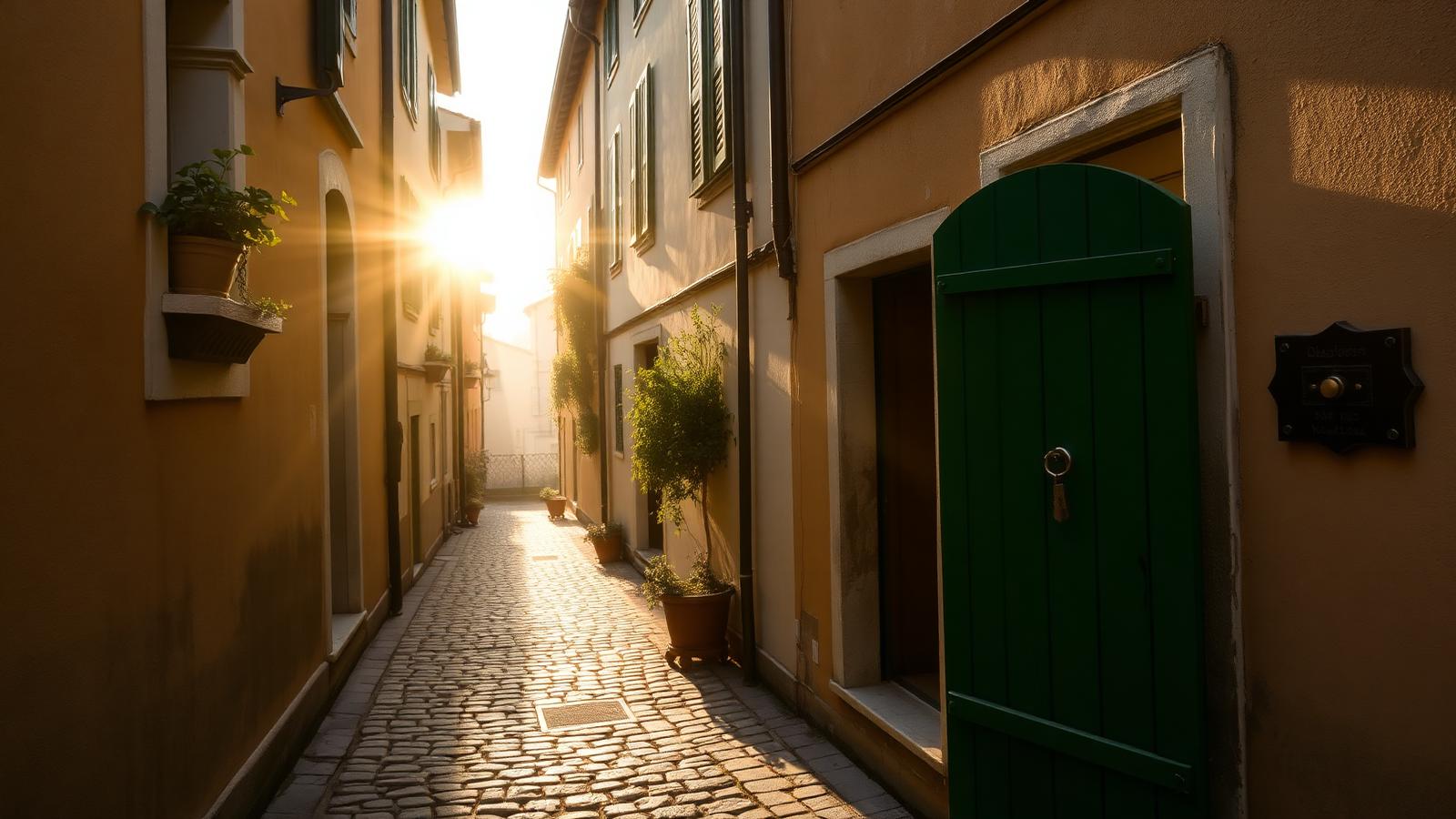
The day you get the keys to your European home is one of the best days of the entire process. You've spent months researching regions, vetting properties, navigating legal systems, and sitting through notary appointments in a language you barely speak. And now it's done. The house is yours.
The day after is when you realize that buying the property was the straightforward part. You had agents, lawyers, notaries, and a process you could follow step by step. But the moment the closing is done and you walk into your new home alone, the structure disappears. There's no checklist for what comes next, no professional guiding you through the first phone call to the utility company, the first visit to the town hall, or the first time your neighbor knocks on the door and says something you don't fully understand.
What follows is three months that will teach you more about your new country than any guidebook ever could. Some of it will be wonderful, some will make you question your life choices, and all of it will be worth it.
And it starts, as most things in Europe do, with paperwork.
Everything Takes Three Times Longer Than It Should
The first thing that catches you off guard is how long simple tasks take when you're operating in a foreign system. Transferring utilities, registering at the town hall, setting up automatic bill payments: none of it is complicated in theory, but all of it requires navigating bureaucracy in a language and culture that doesn't move at the speed you're used to.
In Italy, transferring your electricity requires a codice cliente from the previous owner, and the entire conversation happens in Italian because these are local providers, not international call centers. In Spain, your NIE (Número de Identidad de Extranjero) is attached to virtually every administrative step you'll take in your first month. In France, you'll need the numéro de point de livraison from the meter before you call EDF, so walk over and photograph it before you pick up the phone.
The best advice for this stretch is to ask the previous owner or your agent to sit with you for the first round of calls, because having someone who knows the account numbers and can fill in the gaps makes the difference between a two-day process and a two-week headache.
One more thing worth doing in this first week: set up automatic payments for every utility as soon as each account is active. In Italy that's called addebito diretto, in Spain it's domiciliación bancaria. Missing a payment while you're back home between visits creates problems that take twice as long to fix remotely.
Your Neighbors Know More Than Your Agent
The people living next door know which plumber actually shows up when he says he will, which electrician overcharges, why the water pressure drops on certain mornings, and where the heating timer is hidden behind a panel nobody told you about. They know the recycling schedule, the market days, which bakery is worth the walk, and which restaurant looks charming but serves reheated food to tourists.
None of this information lives online. It lives in conversations, and in small European towns, those conversations only happen with people who make an effort to connect. Walk over in your first few days and introduce yourself. Keep it simple: "Buongiorno, siamo i nuovi proprietari" (Hello, we're the new owners) in Italy, or "Bonjour, nous sommes les nouveaux propriétaires" in France. Then ask the question that will save you more time and frustration than a week of searching online: "¿Conoce un buen fontanero por aquí?" (Know a good plumber around here?) if you're in Spain, or "Conosce un buon idraulico da queste parti?" if you're in Italy.
The Gap Between Tourist and Resident
As a tourist, you eat at the places with English menus, you smile and point, and everyone is patient with you because you're spending money and leaving soon. As a resident, the dynamic shifts entirely. You need to call the Ayuntamiento in Spain about a building permit. You need to explain to a contractor in rural France what kind of tiles you want and why the ones he's suggesting won't work. You need to understand the note your Italian neighbor left on your door about a water shutoff this Thursday.
These moments happen daily, and each one either builds a small connection or creates a small wall depending on whether you can communicate. A phrasebook covers the scripted moments, but daily life as a homeowner is entirely unscripted.
The Week It Clicks
Somewhere between week six and week ten, something shifts. The barista makes your usual without you asking for it, the vendor at the Saturday market sets aside the tomatoes he knows you like, and your neighbor waves from across the street instead of nodding politely.
You stop mentally translating every sentence and start reacting in the language. You have your first real conversation that you didn't plan, didn't rehearse, and didn't need to escape from. It's short, it's imperfect, and it changes everything about how the place feels.
This is also the point where all those small efforts from the first month start paying off. The neighbors you introduced yourself to now stop to chat instead of just waving. The plumber they recommended answers your call on the first ring because he knows who you are. You're not a foreigner who bought a house anymore. You're becoming someone who lives here.
The Parts That Make It Worth It
The afternoon silence when the whole town stops and the streets empty out, which you resisted at first and now quietly look forward to. The bread, which is genuinely a different product here than whatever you were eating before. Figuring out the raccolta differenziata in Italy (the recycling system that seemed impossibly complicated in week one) and realizing you now do it on autopilot. Learning that shops close at lunch and that this is not a flaw in the system but something you actually prefer once you stop fighting it.
The market on Saturday where you know three vendors by name. Understanding enough of the local language to catch a joke your neighbor makes and actually laugh at the right moment. Realizing that the rhythm of life here, the one that felt foreign and frustrating in week one, is the exact reason you bought in the first place.
Getting Through It
The first 90 days are messy, confusing, and occasionally maddening. They're also the most rewarding three months you'll have as a homeowner. Every challenge - from the utility calls to the contractor negotiations to the community dinners where you catch every third word - gets easier when you can talk to the people around you. Not perfectly, not fluently, just enough to be part of what's happening.
The foreign homeowners who look back on these first months with fondness instead of frustration all say some version of the same thing: the house was the easy part, the life around it was what took work, and the language was what made that life possible.