Costs & Taxes
The Real Cost of Buying (and Living) in Europe
The part no one calculates.
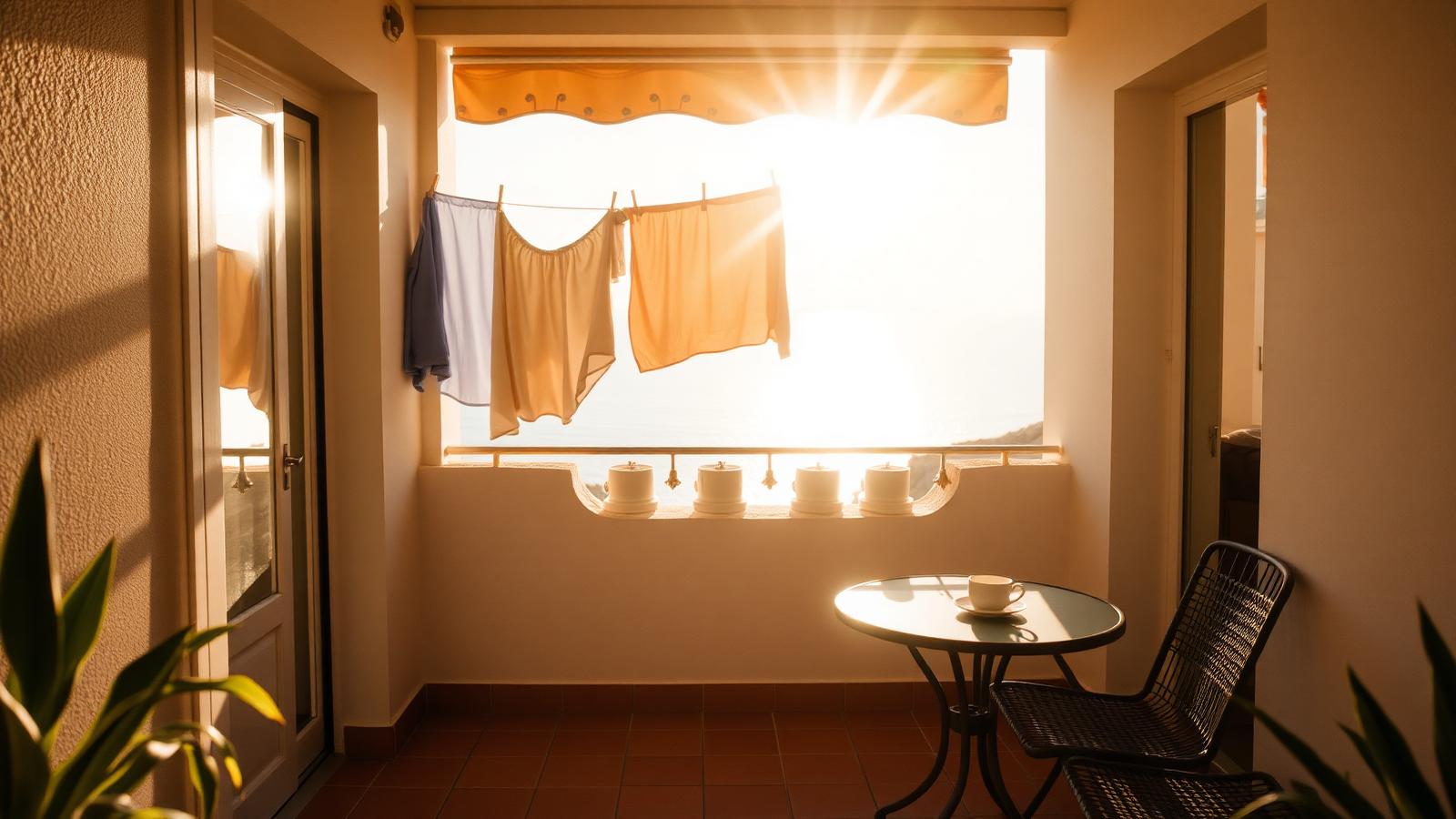
You found an apartment in Spain for €150,000, two bedrooms, a balcony, ten minutes from the coast, and the price fits your budget so you start doing the math on everything else.
The property transfer tax in Andalusia is 7 percent, which adds €10,500. A notary will cost you around €1,000. Your lawyer charges €2,500. The land registry fee is a few hundred euros. The agent's commission is 3 percent plus VAT, which adds another €5,400. You do the addition and land somewhere around €170,000 all in, and that still works.
Then you get the keys and the ongoing costs begin. Community fees run €120 a month for building maintenance, common areas, and shared utilities. Property tax is €650 a year. Electricity in Spain costs more per kilowatt-hour than you are used to in the US, and the apartment has no insulation because it was built in 1985, so your utility bills run €180 a month in summer. Insurance is another €400 a year. And the plumber who came to fix the bathroom leak quoted you €300 and then found a second problem behind the wall.
Between the purchase costs and a full year of owning the property, you have spent somewhere around €185,000 on what started as a €150,000 apartment, and all of those costs are completely normal and expected if you know to plan for them ahead of time.
But there is one more cost that almost nobody includes anywhere in their budget, and for most buyers it ends up being one of the most expensive surprises of the entire purchase.
Every time you wire money from the US to pay for any of the costs above, your bank charges you for converting your dollars into euros. They do not charge you a visible fee. They do it by giving you an exchange rate that is roughly 2 to 3 percent worse than the real mid-market rate (the one you see when you Google "USD to EUR"), so you never see the charge, you just receive fewer euros for every dollar you send.
On top of the rate difference, many US banks limit how much you can wire internationally in a single transfer, which means you may need to split your property purchase across multiple payments, each with its own wire fee and each exposed to exchange rate movements between transfers.
What This Actually Costs You Over 5 and 10 Years
In your first year, between the purchase price, the closing costs, the ongoing expenses, and the exchange rate gap on every transfer, you have spent an estimated €188,000 to €192,000 on a €150,000 apartment.
The ongoing costs do not stop after year one, and neither does the exchange rate gap.
Your community fees, property tax, utilities, insurance, and maintenance cost you an estimated €4,000 to €8,000 per year, every year, whether you are at the property or not. If you are spending time there (which is the whole point of buying it), add another €6,000 to €10,500 per year in lifestyle spending for a couple spending three months in Spain, covering groceries, dining out, transport, and the things that make being there worth being there.
Every euro of that ongoing spend is converted from dollars through your bank's marked-up exchange rate. The gap on each individual transfer might seem small, but it compounds year after year. Over five years of ongoing costs and lifestyle spending, the cumulative exchange rate gap adds an estimated €1,500 to €4,000 on top of what you already lost on the purchase.
After ten years, the total exchange rate cost across the purchase and all ongoing transfers can reach an estimated €5,000 to €10,000 depending on the size of your transfers and how much time you spend there.
And unlike every other cost in this guide - the taxes, the notary, the maintenance, the plumber - this one is entirely avoidable.
How to Plan Around This Before You Buy
If you are planning to buy property in Europe and will need to transfer money internationally at any point, it is worth understanding exactly what your bank would charge versus what a specialist currency service would charge before you start making offers. Comparing both side by side on your own budget is one of the simplest decisions that quietly saves the most money over the lifetime of owning the property.